
Obesity
What is Obesity?

Obesity is a condition in which the body accumulates too much fat, affecting health. It is not just a matter of appearance but also a chronic disease requiring treatment and management.
Causes of Obesity
There are many causes of obesity, including:
• Consuming more calories than burned.
• Sedentary lifestyle and lack of physical activity.
• Genetics and family history.
• Certain medications and medical conditions.
• Emotional factors like stress or boredom leading to overeating.
Harmful Effects on Joints
Excess weight puts more pressure on the knees. They cause pain for sufferers and make their movement more difficult.
Diabetes Risk

Diabetes used to be more common after the age of 40. However, with the obesity epidemic, type 2 diabetes is now appearing in more young people. About 90% of people diagnosed with type 2 diabetes are overweight or obese. Diabetes complications kill about 200,000 people in the United States each year.
Cardiovascular Issues
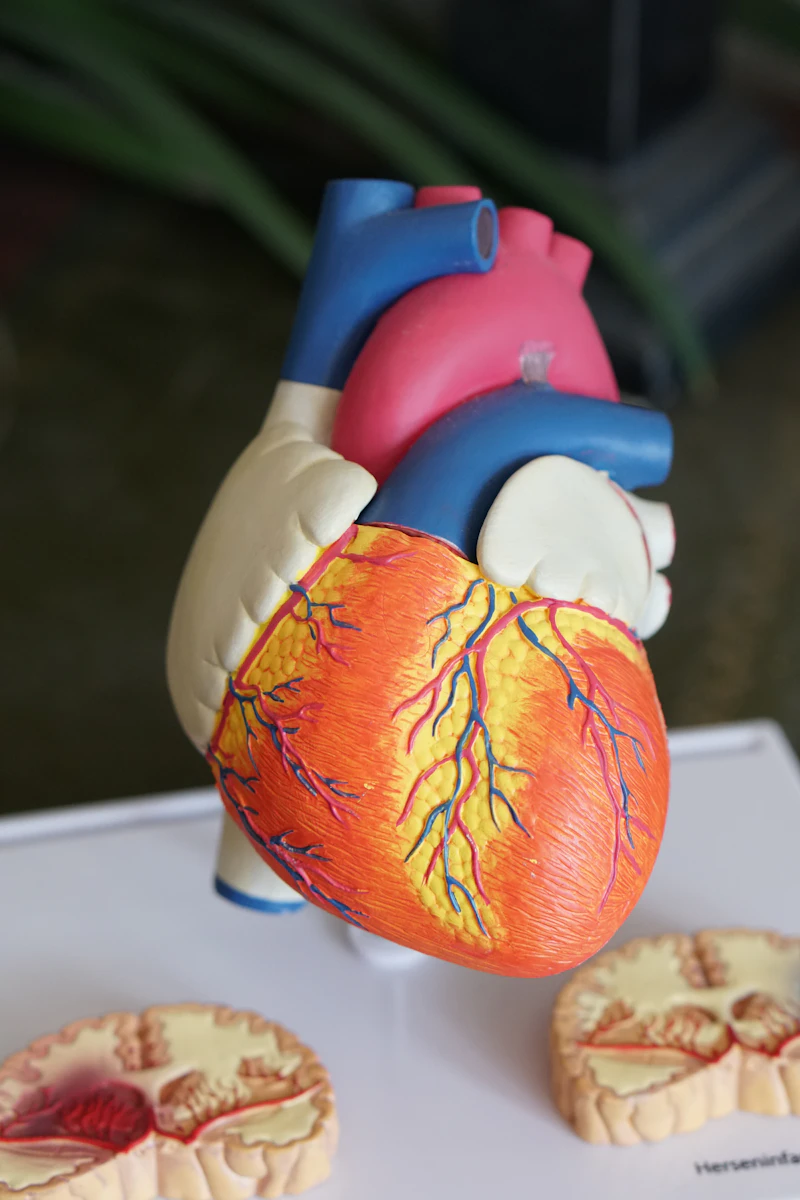
High blood pressure can damage the heart and arteries, and can even harm the brain, leading to problems like dementia and stroke. Excess fat puts pressure on the heart and can lead to life-threatening problems like blocked coronary arteries.
The World Heart Federation says the disease increases the risk of heart disease, which kills more than 600,000 people in the United States each year.
Alzheimer's and Dementia

Being overweight or obese is one of the risk factors for Alzheimer's disease and dementia. A meta-analysis of 10 studies found a link between BMI and Alzheimer's disease. People with the disease had a 42% higher risk of developing Alzheimer's disease than people of normal weight.
Respiratory Issues

Excess fat prevents the chest from expanding, making breathing more difficult. Excess fat that accumulates in the walls of the lungs also reduces the body's ability to exchange oxygen. Obese adults with asthma are five times more likely to be hospitalized than non-obese adults with asthma.
Cancer Risk

Obesity is associated with an increased risk of developing several types of cancer, including breast, endometrial, colorectal, kidney, esophageal, pancreatic, thyroid, and gallbladder cancers. Obesity causes about 85,000 new cases of cancer each year.
Preventing Obesity
There are many ways to prevent obesity. Some of these methods include: a healthy lifestyle, a scientific diet and regular physical exercise.
• Set realistic weight loss goals. Losing just 3% of your initial body weight can significantly reduce your risk of developing complications.
• Eat more slowly and pay attention to your food.
• Avoid the temptation to overeat.
• Track your progress by weighing yourself regularly.
• Get psychological support if needed.
Dietary Changes
Most people should reduce their daily energy intake by 600 calories if they want to lose 0.5 to 1kg per week. A healthy diet should include:
• Lots of fruits and vegetables.
• Starchy foods such as potatoes, bread, rice, pasta (ideally wholegrain).
• Milk and dairy products.
• Meat, fish, eggs, beans, and plant-based protein sources.
• Eat less fatty foods and limit sugary drinks.
Contact Us
Whether you have questions about health topics, need advice, or want to contribute to our cause, we are here to listen and support you.
We welcome all inquiries regarding recruitment, facility tours, and community partnerships.