
Drug Addiction
What are Drugs?

Drugs are addictive substances of natural or synthetic origin. When entering the body, they will change the state of consciousness and physiology of the user.
Common Types of Drugs
Heroin: A drug processed into two forms including a pinkish-white powder for injection and a pinkish-brown powder for smoking.
Morphine: Often used in medicine as a pain reliever. It selectively affects the central nervous system.
Cocaine: Extracted from coca leaves, needle-shaped crystals. Causes a cool bitter taste and numbness on the tongue.
Opium: Also known as poppy. The resin obtained from the fruit is raw opium.
Cannabis: Also known as hemp. Causes sudden changes in mental state, hallucinations, or nightmares.
Mechanism of Addiction
When we are tired, the nervous system secretes endorphins to help reduce fatigue. Drugs like Cocaine or Heroin have a much stronger effect than endorphins. They quickly reduce pain and fatigue.
If drugs are used repeatedly, they replace the natural mechanism of secreting endorphins. The body becomes resistant, requiring higher doses. Stopping use leads to exhaustion, pain, and physical/mental crisis.
Effects on Nervous System
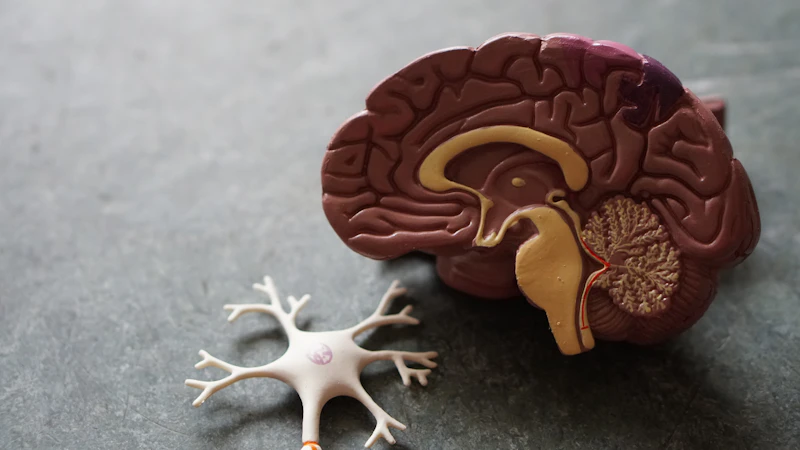
Drugs directly affect the central nervous system, inhibiting parts of the cerebral hemispheres, causing headaches, dizziness, sensory disturbances, fear of movement, and irritability.
Digestive System

Drug addicts often feel euphoric and lose their appetite, leading to rapid weight loss. They often suffer from poor digestion, nausea, stomachaches, diarrhea, or constipation.
Respiratory System

Addicts often suffer from rhinitis, sinusitis, and respiratory tract infections. Cocaine users can suffer from acute pulmonary edema, pneumonia, and asthma attacks.
Skin Diseases

Addicts often neglect hygiene, leading to skin diseases like scabies, sores, and dermatitis. Crystal meth use causes blood vessel contraction and skin ulcers.
Hepatitis and Kidney Failure

The liver and kidneys weaken, affecting detoxification. Toxins accumulate, leading to liver abscess, hepatitis, and kidney failure. Rate of acute hepatitis in heroin addicts is 46%.
HIV and Sexual Health

Addicts are at higher risk of HIV infection due to sharing needles and unsafe sexual behavior. Drugs can cause impotence in men and disrupt ovarian function in women, leading to infertility or pregnancy complications.
Psychological Effects

Addicts often experience negative moods, grumpiness, and depression when not using. Their personality narrows, relationships deteriorate, and they lose interest in healthy activities like work or sports.
Contact Us
Whether you have questions about health topics, need advice, or want to contribute to our cause, we are here to listen and support you.
We welcome all inquiries regarding recruitment, facility tours, and community partnerships.