
Alcoholism
About Alcoholism
Drinking alcohol has long-term effects on health and is associated with an increased risk of chronic disease and premature death. The health effects of drinking are determined by the total amount of alcohol consumed.
When you crave alcohol, and cannot abstain or control the amount of alcohol you drink, it is called alcoholism. When you are addicted to alcohol, quitting it is very difficult and you need the help of a professional to overcome the addiction.
Symptoms of Withdrawal
Alcohol withdrawal is very unpleasant because it causes many symptoms such as:
• Anxiety
• Nausea
• Increased blood pressure
• Increased heart rate
• Excessive sweating
• Seizures, hallucinations, and delirium may appear.
Harmful Effects on Nervous System
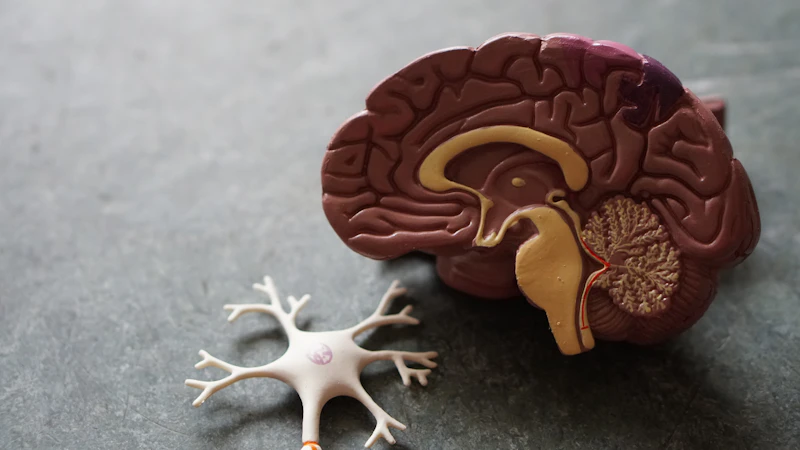
Alcohol harms the nervous system and brain. When drinking alcohol, the body has difficulty maintaining balance and alertness. This is the cause of a series of traffic accidents caused by alcohol.
If alcohol is abused excessively, it can also cause harmful effects on the brain, causing permanent brain damage, and impaired brain function.
Some harmful effects include memory loss and brain shrinkage in middle-aged and elderly people. In people with severe alcoholism, the frontal lobe is often the damaged area, leading to difficulty controlling emotions, reduced ability to remember and judge, and impaired body function.
Heart Disease Risks
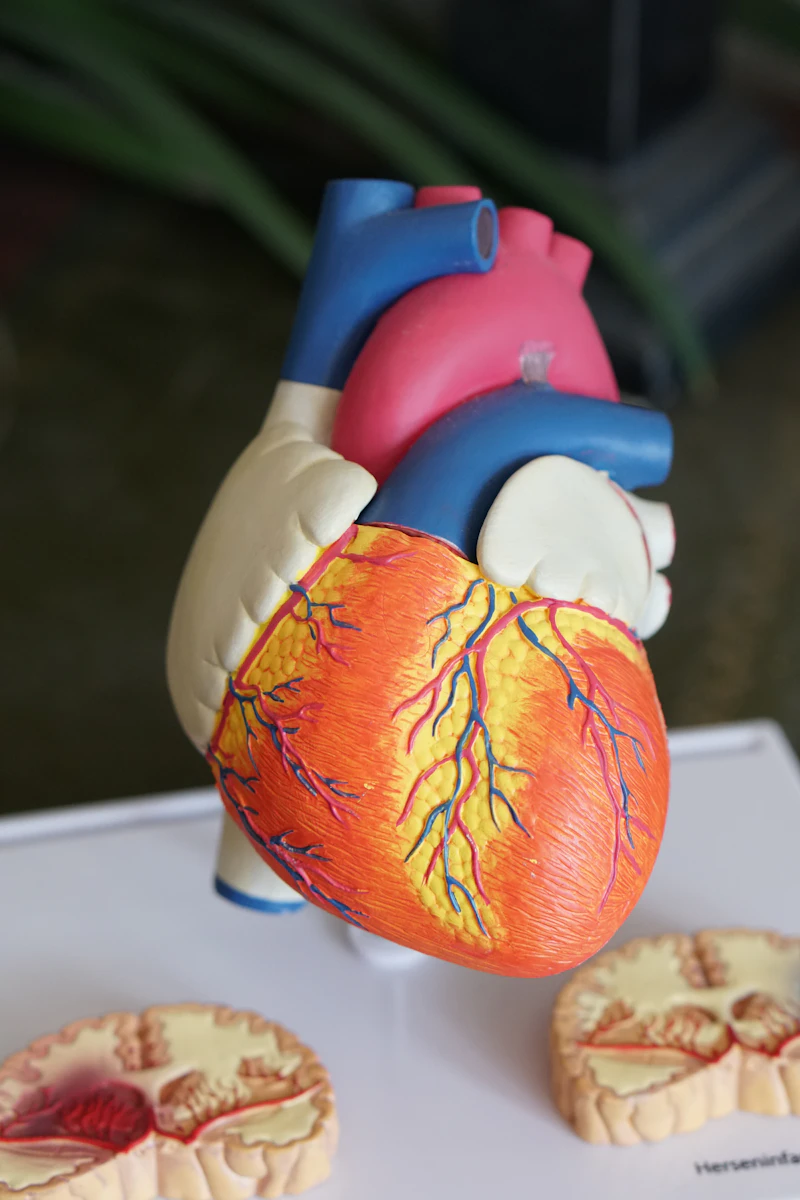
People who abuse alcohol are at higher risk of heart problems than those who do not. Alcohol causes high blood pressure, heart rhythm disturbances, atherosclerosis, heart failure, heart attacks and strokes.
Increased Blood Sugar

Drinking too much alcohol can cause abnormal activation of digestive enzymes in the pancreas, irritate pancreatic cells, and cause pancreatitis. Pancreatitis reduces insulin production, leading to increased blood sugar, and increasing the risk of diabetes.
Liver Damage

The liver is an important organ of the body, with the function of metabolizing and neutralizing harmful substances from the outside to help protect the body, including alcohol.
Long-term use of alcohol can increase fat in liver cells, leading to fatty liver. Fatty liver is found in 90% of people who drink more than 15ml of alcohol per day.
At the same time, when the liver has to increase its activity to metabolize alcohol, it can weaken liver function, leading to toxins accumulating in the body. Drinking a lot of alcohol can cause chronic inflammation of the liver, leading to cirrhosis. Cirrhosis is a very high-risk factor for liver cancer.
Weight Gain and Obesity

The amount of calories in beer and wine is higher than the amount of calories in soft drinks and other drinks. Alcohol causes cravings and reduces the motivation to exercise, thereby causing weight gain and obesity.
The more alcohol you drink, the bigger your waistline becomes. It's not just belly fat, but the more dangerous thing is the amount of fat inside the abdominal cavity.
Visceral fat is recognized by the round belly protruding forward, it surrounds the internal organs and is a risk factor for many diseases such as fatty liver, high blood pressure, atherosclerosis, diabetes, heart attack, and stroke.
Reproductive Health

Drinking too much alcohol is the cause of erectile dysfunction in men and increases the risk of infertility in women.
Alcohol can prevent the production of sex hormones and reduce sexual desire. It causes menstrual disorders in women and reduces sperm quality in men. Alcohol is also extremely harmful during pregnancy because it increases the risk of premature birth, miscarriage, or stillbirth. Therefore, to ensure reproductive health, women should not drink too much alcohol.
Digestive System

In many cases, an alcoholic can become thin because alcohol enters the digestive tract, preventing the digestion of food and reducing the ability to absorb nutrients.
The initial effects of alcohol on the digestive system are: bloating, abdominal discomfort, diarrhea or constipation, ulcers or hemorrhoids.
Long-term drinking will damage the mucosal layer and increase the risk of cancer of the mouth, pharynx, esophagus, stomach, and colon.
Contact Us
Whether you have questions about health topics, need advice, or want to contribute to our cause, we are here to listen and support you.
We welcome all inquiries regarding recruitment, facility tours, and community partnerships.